
Hilton’s Electronic Security installs security systems for medical offices, clinics, dental practices, specialty centers, and assisted living facilities across Central Pennsylvania. Healthcare sits in an awkward position on access. The building has to stay welcoming to patients who are already anxious about being there, while pharmacy, records, and treatment areas need entry that is restricted, recorded, and defensible when someone asks about it later. Getting that balance wrong in either direction causes a problem.
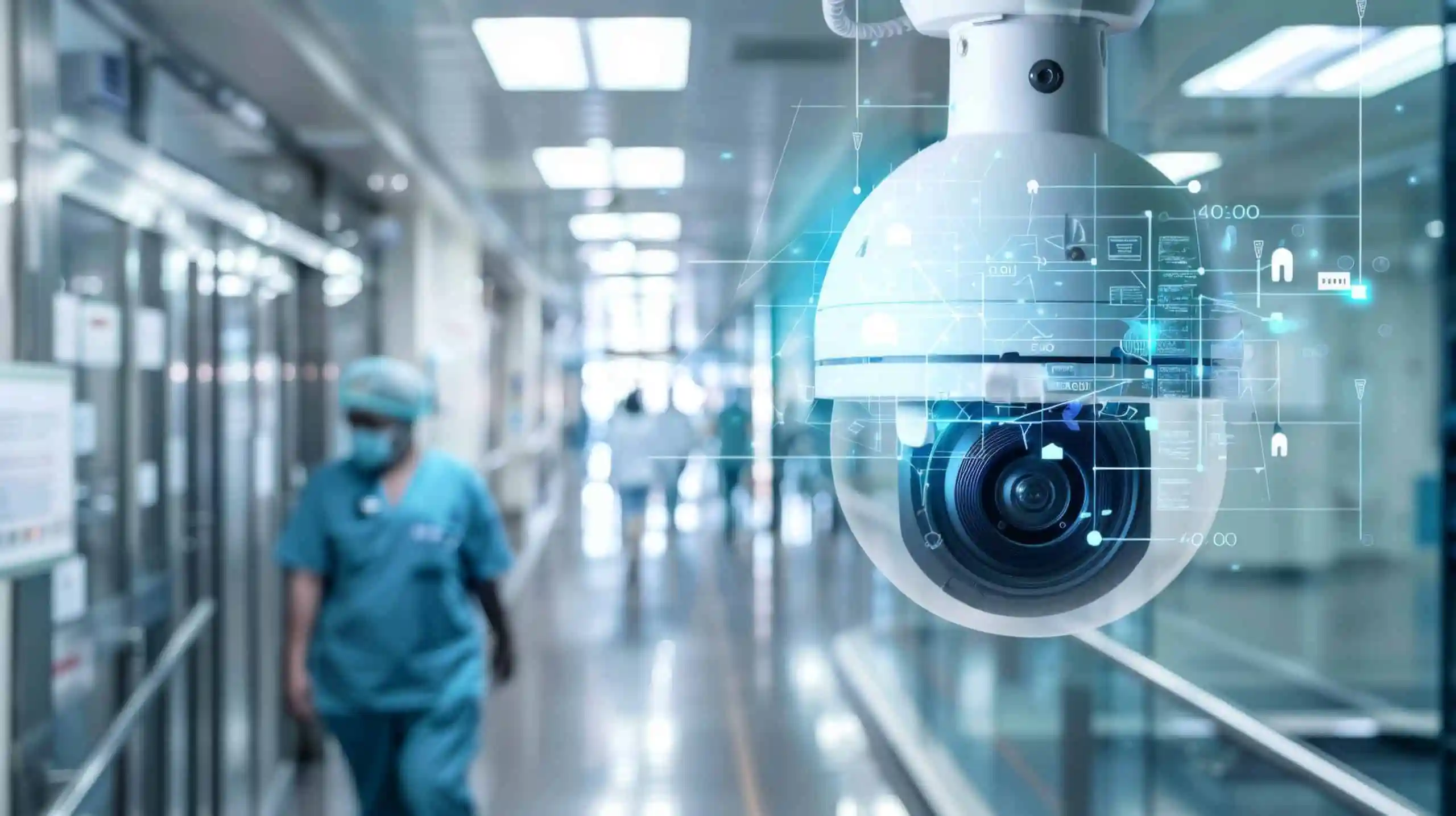
The areas that need genuine control in a healthcare facility are usually a small fraction of the floor plan. Medication storage, records, the server room, specimen storage, and anywhere controlled substances are held. Everywhere else, from the waiting room to the corridor to the exam rooms, has to keep functioning for patients and staff who are moving constantly and cannot be stopping at doors.
Our technicians walk the facility the way patients move and then the way clinical staff do, and put controlled entry on the points where those paths separate. Credentials are grouped by role, so front desk, clinical, pharmacy, and cleaning staff each reach only what their work requires, with a record of every entry. Cameras go on entrances, corridors, and parking areas rather than anywhere patient care happens, because coverage inside a treatment room creates far more problems than it solves.
Healthcare projects have to account for things most commercial jobs never touch. Clinical operations cannot stop, infection control affects where and how we work, and anything installed has to sit comfortably alongside the facility’s own policies on privacy and access. We plan the work around clinic hours and coordinate with whoever owns compliance at your organization before anything is specified.
The audit trail is usually the reason these systems get specified. When a question is raised about who accessed the medication room or the records area on a given afternoon, the answer needs to exist and be retrievable quickly. The rest of the value shows up in staff safety at the entrances, particularly for practices where the last appointment finishes after dark and reception staff leave alone.
Contact Info
Have a question or need a quote? Reach out — our team is ready to help protect your business.
Questions from medical practices and clinics are usually about privacy, compliance, and working around patient care. These are the ones we answer most often, covering what a system does and does not do for HIPAA, where cameras can be placed, access to medication and records areas, installing without disrupting clinics, retention of entry logs and footage, and whether this suits a small practice as well as a large facility.
No, and be careful with any vendor who says otherwise. Compliance is a program covering policies, training, and technical and administrative safeguards, not a product you can buy. What we install contributes to the physical safeguards side of it, controlling and recording access to areas holding protected information. Your compliance officer decides how that fits the wider picture.
Entrances, waiting areas, corridors, exterior doors, and parking are all reasonable and useful. Exam rooms, treatment areas, and anywhere a patient may be undressed or discussing their care are not, and we do not install them there. Restrooms and changing areas are out entirely.
Credential-based entry with an audit trail, grouped by role rather than issued to everyone. Only staff whose work requires the medication room reach it, every entry is logged with a name and a time, and access ends immediately when someone leaves the practice.
No. We schedule around your appointment book, working early mornings, evenings, or closed days for anything noisy or dusty. In occupied clinical areas we coordinate with your infection control requirements before starting.
That is set by your own policy and any requirements your organization operates under, and it determines how the storage is sized. Tell us what you need to retain and for how long, and the system is specified to meet it.
Usually, and it should be sized accordingly. A single practice often needs controlled entry on two or three doors, medication and records storage, and cameras at the entrances and the parking area. That covers most of the exposure without the cost of a hospital-scale system.
Tell us what kind of practice you run, which areas hold medications or records, and what your compliance requirements look like. We will walk the building, work out where control genuinely belongs, and quote a system that meets your obligations without getting in the way of patient care.